first person
On Aging and Dying in Captivity
This year I passed a grim milestone: I’ve now been in captivity longer than I’d been alive when I was arrested.

This year I passed a grim milestone: I’ve now been in captivity longer than I’d been alive when I was arrested.
Decades of policy failures, including a culture of impunity for correctional officers, have eroded many of the gains that the Attica uprising’s incarcerated leaders fought and died to secure.
In Texas, when someone makes parole, they will only be released once they have an approved home. Many of us have nowhere to go, and no one to help us find somewhere.
A collective, nationwide, complete refusal to work in prison would make the carceral status quo impossible to maintain.
Eight Virginia prisons currently have no air-conditioning. We go to sleep in sweat and wake up in sweat, with no respite from dangerous heat.
Who gets to tell stories about incarcerated people? And what changes when they can speak for themselves?
How reality TV turns incarceration into entertainment—and helps strengthen the very systems of violence it claims to expose.
Being forced by prison authorities to publish anonymously caused me to reflect on the long history of Black authors choosing names in response to state violence.
Reentry guides supplied by prisons are light on details and heavy on judgement. That’s why formerly incarcerated people are writing a guide for New York filled with their own lived experience.
We are fighting to end carceral reality TV—including shows such as ‘60 Days In’—because no one should profit from punishment.
Abstinence-only drug treatment doesn’t work. For people in prison, where drugs flow freely, such programs simply place them at greater risk of relapse.
There are no good prisons—but even minor design changes could make them less awful to be trapped inside.
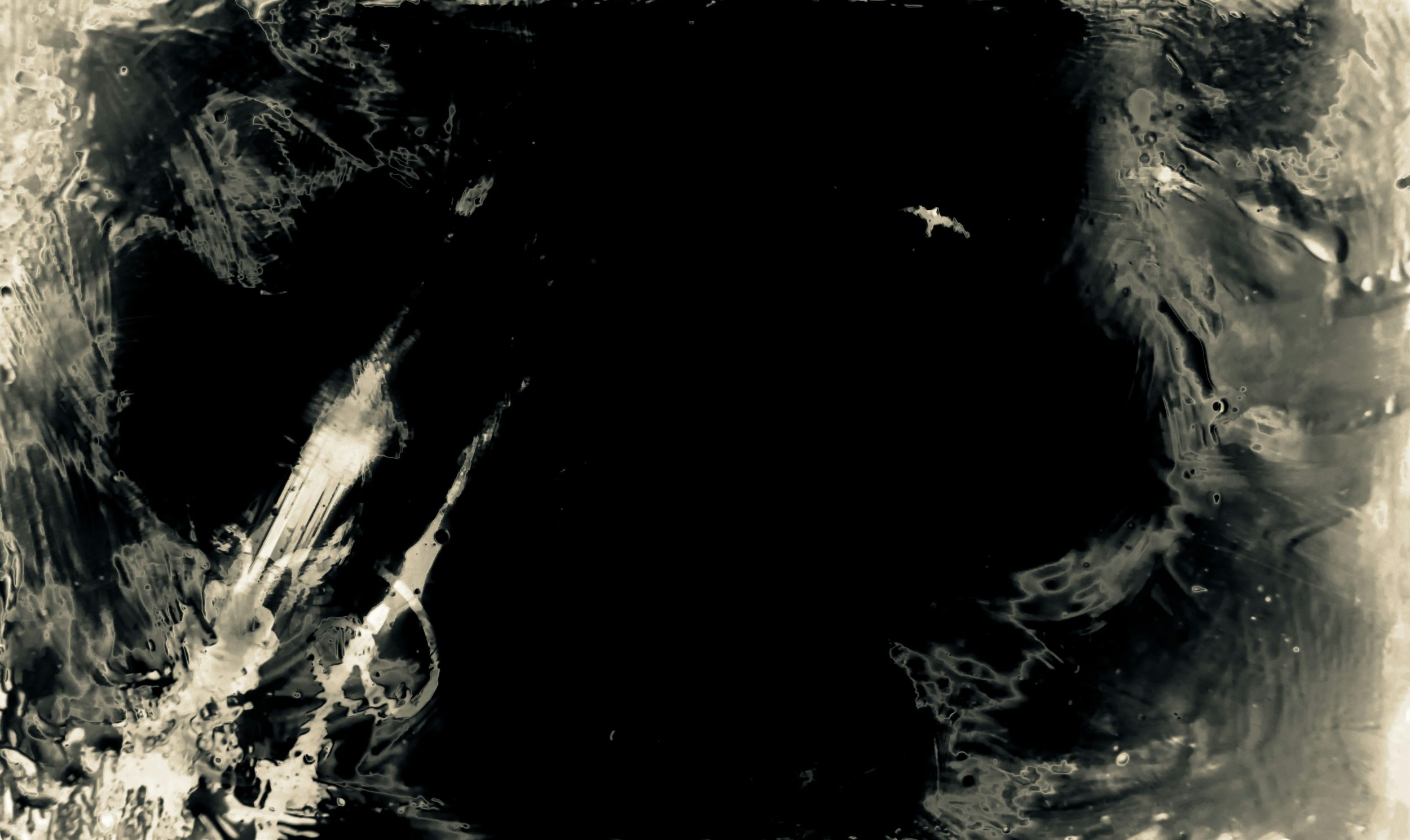
“They tell us we have the right to take up / space. But they come in armor and shields / that say otherwise.”
For National Poetry Month 2025, a new series of work from poets incarcerated in Mississippi State Penitentiary
From Celes Tisdale’s creative writing workshop with Attica Uprising survivors.
The latest interventions from people who have firsthand knowledge of the harms of mass incarceration.
California is discovering the hard way that you can’t leave decarceral reforms in the hands of prison officials.

There’s no aging with dignity for people serving extreme sentences. Freeing them is only a start to a deeper paradigm shift.
For incarcerated people, prison education programs can offer not only knowledge but also hope that a different future is possible.
A candid portrait of the experience of fighting for clemency in Louisiana—a route to freedom now severely threatened by the state’s new carceral governor.
In New York and elsewhere, exploitative court-ordered fees shouldn’t saddle a person who is already poor and criminalized.
People condemned to die in prison are telling the world about it—and fighting to free one another in the process.
Activism must involve incarcerated people—but few outside advocates really understand the dangers and limitations that imprisoned organizers face.
A look at how decarceral, abolitionist filmmaking can help us envision new worlds.
Decarceral Pathways
From early release to ending solitary confinement to meaningful reentry, writers who know how hard it is to set people free have a few ideas about how to do just that.
Ending prison slavery and giving fair wages to incarcerated workers are necessary steps on the pathway to justice.
Life in prison is hard. Transitioning back home through reentry shouldn’t be harder.
A new research project seeks to understand present prison labor conditions—and build a path toward lasting freedom.
Society isn’t being done any favors keeping literature out of the hands of incarcerated people.
Pell grant restoration for incarcerated students is long overdue. But without infrastructure and safeguards, higher education, and true freedom, will remain elusive.
Older New Yorkers are dying in state prison at an alarming rate. Once and for all, they need to come home to their families.
Here’s how imprisoned writers can offer reasoned analysis on policies affecting the carceral state.
We can’t end mass incarceration without first ending solitary confinement once and for all.
Institutions & Practices
Long Sentences
—Jeff Noland, on the surveillance that people placed on sex offender registries are made to endure
Culture
How incarcerated artists are using artworks to imagine a world without mass incarceration.
In Pittsburgh, a collective of incarcerated and non-incarcerated artists is dreaming of a world without mass incarceration.
The state of Washington plans to close 18 prison units. It sounds like progress. But don’t be fooled: It’s a problem.
Header image: Wesley Pacifico/Unsplash